Hamaguri no Ushiojiru (Clear Clam Soup)
We celebrate
hinamatsuri (doll festival) in Japan today, and I thought about making some special dishes for that. I was almost going for these
doll-shaped onigiri (rice balls) that many Japanese moms make for their daughters on
hinamatsuri day. But I was tired after my
izakaya work, and one of my colleagues gave me leftover sushi, so my enthusiasm for cooking just faded out on my way back from work. The only
hinamatsuri-related dish I made was this clear clam soup. Why clams are associated with girls’ festival? Well, I heard that clams symbolize things like virtue and marital fidelity. (Why should these qualities required only for women?)
BTW, there was one thing that I didn’t know until today. In my childhood, when my parents took out the special dolls to celebrate
hinamatsuri for me and my sister, they always argued about the position of the
obina (emperor doll) and
mebina (empress doll) --- about which should be on the right and which should be on the left. I thought there was only one right answer, and my family was pretty stupid not being able to memorize it, but there was a good reason for the confusion: there was more than one answer.
What I found out today was that in most areas in Japan, the emperor doll is displayed on the left (our left = the doll’s right) and the empress on the right (our right = doll’s left). But in Kyoto, they are displayed the other way around, and it is the traditional way.
According to several Japanese websites I’ve read, in our ancient belief, the left side was considered superior, thus, about 1000 years ago, when the emperor and empress sat side-by-side, the emperor was always on the left side with empress being on his right.
Hina ningyo (dolls for
hinamatsuri) followed the same rule, so the emperor doll was on our right (doll's left) and empress on our left (doll's right). However in the modern era, when Japan adopted “international protocol” and the photos of the emperor and empress conformed to it, the
hinamatsuri custom was altered accordingly throughout Japan, EXCEPT Kyoto.
So today, in most of the TV commercials of
hina ningyo, we see the modern way of displaying them, but when we see photos of very traditional
hinamatsuri customs in Kyoto, often introduced in books about Japanese traditions, we see it the other way around. No wonder many of us are confused. I’m glad --- It was not that our family was exceptionally stupid. :)
Categories: Japanese



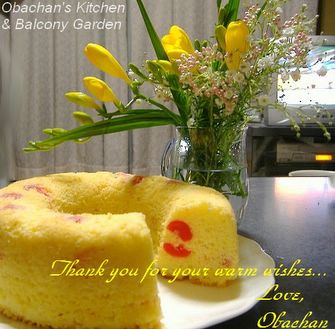 Yes, I bought flowers :)

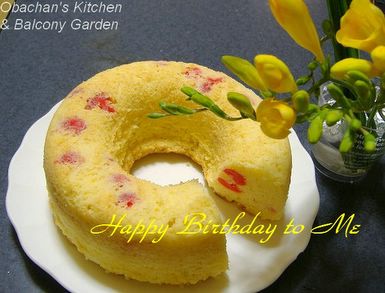
 March 25th is my birthday. And that day is going to be the last day of the