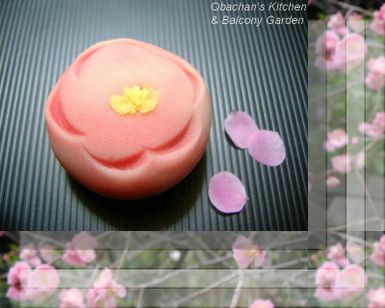
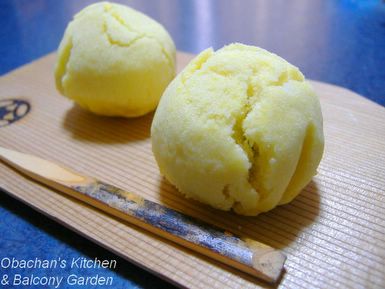
No, I haven’t forgotten about this lovely project. This is the wagashi for February: Kobai (red plum).
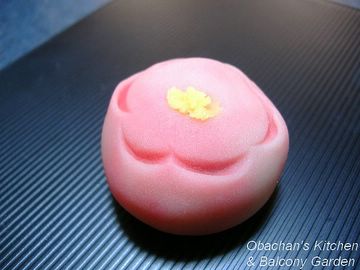
It’s such a shame that my photos cannot show the delicate and elegant color of this wagashi. These photos do not show the beautiful gradation of reddish pink to very light pink – almost white – unfortunately.
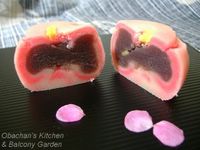 There’s one thing I learned after I started this project of combining photos of wagashi and plants/flowers of the season that it represents. The fact is that the wagashi is supposed to go a little ahead of time. In other words, they make and sell, for example, persimmon-shaped wagashi before persimmons are actually in full season.
It is probably because of the custom in tea ceremony. They seem to value the ability of sensing a subtle sign of seasonal changes as early as possible. So it is often difficult to get the photos of certain wagashi and flowers at the same time. Last autumn I had to give up on some ideas for this project because when the flowers became available, the wagashi was already gone from the shelves of wagashi shops. I was very lucky that it worked out this time with red plum. :)

I took this shot at a nearby shrine.
Plum trees in Japan originally came from China more than 1,000 years ago. Initially, white plum blossoms were popular, but later in Heian period, around the time when “The Tale of Genji” was written, red plum blossoms became more favored, though that kind of trees do not bear fruit.
* Wagashi by Ogasawara


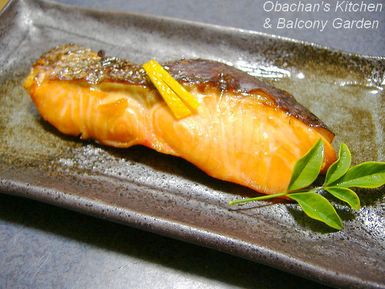
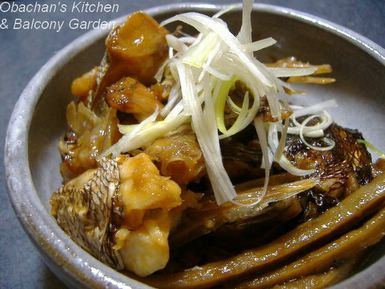
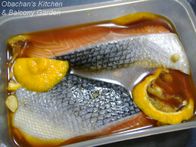 This salmon was marinated for about an hour in soy sauce and

 Now this is a big blooper of mine, to tell you the truth. First of all, I was going to use turnip but couldn’t find one anywhere, so I ended up with substituting it with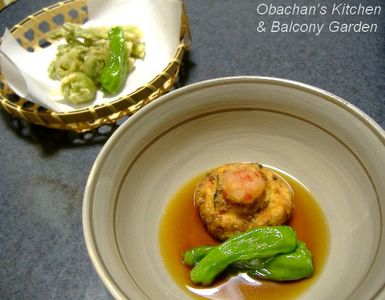
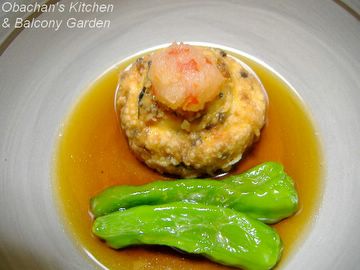
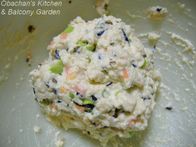 This was my first time making home-made
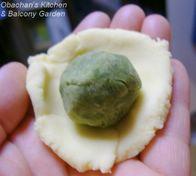 I guess I made a mistake when copying the recipe … the amount of

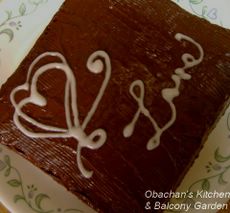 St. Valentine’s Day in Japan is not so much fun for this obachan who was once spoiled in the U.S. about this custom.

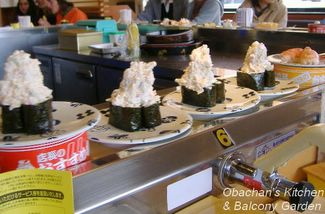
 Looks like a few of the kitchen staff are going to quit at the end of this month.It always feels kind of strange to work with someone, knowing that the person is going to be gone soon.
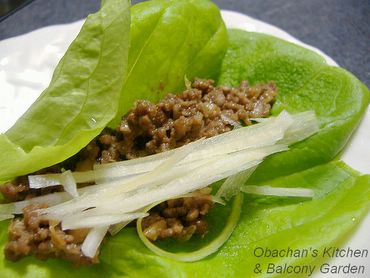
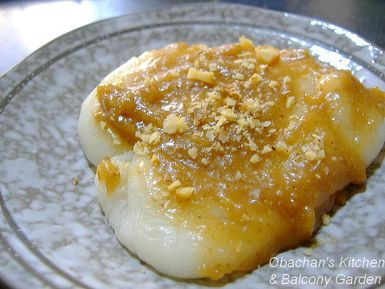
 Ingredients:
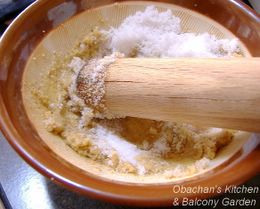
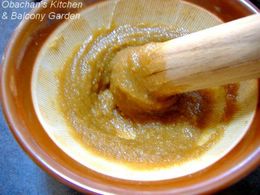 Toast walnuts to bring out their flavor (thanks Jen for the tip! :D) and chop them coarsely. Grind chopped walnuts in
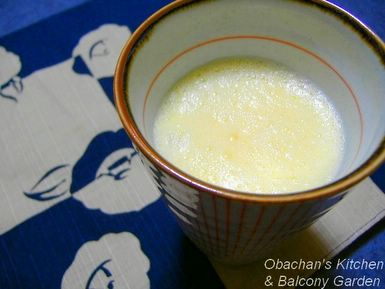
 In a saucepan, heat sake and let it flame for a while to evaporate alcohol. Remove from heat and wait for a few minutes to let it cool. Add beaten egg to sake little by little (do NOT add all at once), stirring well. Add sugar and heat over a VERY low heat, stirring continuously until thick and creamy. Add a little ginger juice, if desired. Serve hot.
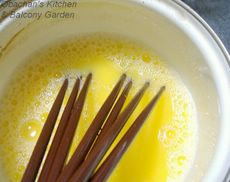 * To stir
 (20 to 30 g for each)
 3. In a bowl, mix egg yolk and ice water. (Do not get ice in the egg-water mixture. Add sake, if desired.) In another bowl, mix flour, corn or potato starch and salt and add to the mixture. Stir lightly by running chopsticks or a fork through the batter in a “cutting” manner so that it does not develop gluten in the flour. The batter can be lumpy and should be slightly runnier than regular tempura batter.
 4. Add shredded vegetables and seafood chunks to the bowl that was used for mixing dry ingredients. Sprinkle with a little amount of flour and toss to coat the vegetables and seafood.
 5. Pour the batter over the ingredients and mix.
 6. Heat vegetable oil to apx. 180 C. Take a scoop of the ingredients on a turner and let the excess batter drip off.
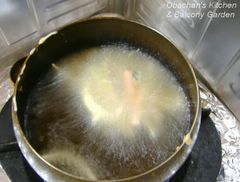 Slip the ingredients into oil, pushing gently with chopsticks or a fork. Deep-fry until both sides are golden brown.

